
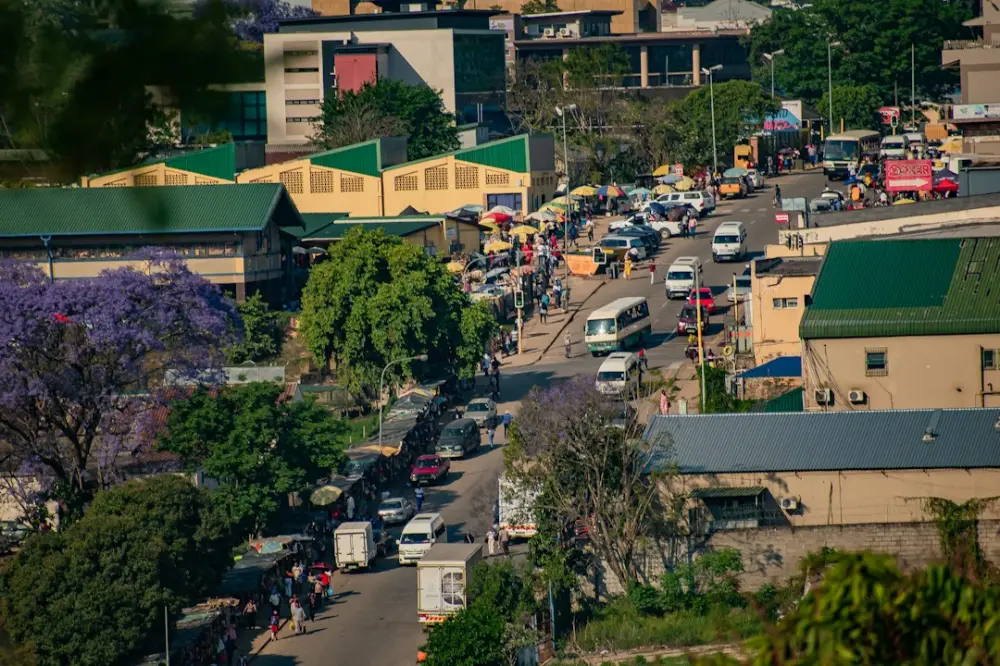
A neighbourhood-based itinerary focuses on a specific, localized area rather than a broad city-wide tour. This approach allows travelers to experience authentic culture, hidden gems, and local businesses within walking distance. By narrowing the geographic scope, these plans prioritize depth of experience and community connection over high-volume sightseeing and long transit times.
Instead of crossing a city multiple times to see disparate landmarks, you choose one district and commit your day—or several days—to its rhythm. This method transforms the travel experience from a checklist of sights into a study of a place’s character, from the specific way coffee is served to the architectural quirks of a single residential block.
Why Localized Travel is Gaining Popularity
The shift toward localized travel stems from a desire to escape the friction of overtourism. When a traveler spends their entire day in a single area, such as the Navigli district in Milan or Shimokitazawa in Tokyo, they contribute more directly to the local economy. Small, family-run shops and independent cafes benefit more from these visitors than the global chains typically found near major transit hubs or primary tourist attractions.
Choosing a narrow geographic focus also significantly reduces the environmental impact of a trip. By relying on walking or cycling within a specific radius, you eliminate the need for constant taxi rides or multiple subway transfers. This approach aligns with the principles of itinerary design: building a logical flow, where the objective is to maximize engagement while minimizing the logistics that lead to burnout. For example, a traveler in Lisbon might spend an entire Tuesday exploring the hills of Graça, discovering tiled facades and quiet viewpoints that the crowds in nearby Alfama often overlook.
How to Map Out a Neighbourhood-Specific Trip
Creating a successful neighbourhood-based itinerary requires identifying a "hub"—a central point like a park, a specific street, or a market that serves as your anchor. Start by researching the "third places" of the area: the spots where locals congregate that are neither home nor work. In a district like Coyoacán in Mexico City, this might be the Centenario Garden. Once you have an anchor, you can map out secondary points of interest within a fifteen-minute walk.
Use a layering technique for your planning. The first layer consists of fixed points, such as a specific museum or a restaurant that requires a reservation. The second layer is flexible, consisting of bookshops, artisanal bakeries, or public squares. This allows for spontaneity; if you find a street that looks interesting, you have the time to follow it without worrying about a schedule. This is essential for experiencing local culture through food, customs, and daily interactions that don't happen on a strict timeline. A concrete example would be dedicating a morning to the Canal Saint-Martin in Paris, where the "activity" is simply observing the locks and visiting the nearby boulangeries rather than rushing to the Louvre.
Digital Tools for Planning Localized Experiences
Modern planning relies on tools that allow for high-density mapping. Traditional map apps are useful, but specialized platforms that allow for custom categorization are better for neighbourhood depth. Tools like Google Maps "Lists" or Apple Maps "Guides" allow you to drop pins for every interesting doorway or small gallery you find during your research. By looking at the density of these pins, you can visually confirm if a neighbourhood has enough substance to support a full-day itinerary.
Notion and Trello are also effective for organizing these trips, as they allow you to store screenshots of local menus, operating hours for small shops, and notes on specific historical details. For instance, if you are planning a day in the Jordaan in Amsterdam, you might save a digital clipping about the history of the hofjes (hidden courtyards) so you know what to look for behind unassuming wooden doors. These tools help bridge the gap between digital research and the physical reality of a street-level walk.
Must-Have Features for Modern Itinerary Builders
A functional itinerary builder for localized travel must prioritize geographic proximity over chronological scheduling. Many generic tools try to force a 9:00 AM to 5:00 PM schedule, which is counterproductive for slow travel. Instead, look for features that offer "spatial awareness." This means the tool should show you exactly how many meters separate your morning coffee spot from the local library or craft workshop.
Offline functionality is another critical feature. When you are deep in the narrow alleys of an old city, such as the Medina in Fes, GPS and data signals can be unreliable. An itinerary builder that allows you to download a high-resolution, annotated map of the specific neighbourhood ensures you won't lose your way. Additionally, the ability to add community-sourced notes—such as "this shop is closed on Mondays" or "best light for photos is at 4:00 PM"—adds a layer of practical intelligence that standard travel guides often miss. These features support the slow travel philosophy by removing the stress of navigation, allowing the traveler to focus on the environment.
First steps for a neighbourhood-based itinerary
Start with one district before you plan the whole city.
- First step: pick a hub—a park, market, or main square—and draw a 15-minute walk radius.
- Start by pinning two fixed stops (museum, reservation) and three flexible ones (café, bookstore).
- To begin, save pins in one map list you can open offline.
- Follow these steps to test the loop on foot for half a day before you add more stops.
- Next step: note opening hours on the pins so Monday closures do not break the day.
Elevating Local Discovery with Beyond Guide
The goal of planning a neighbourhood-based itinerary is to stop being a spectator and start being a temporary resident. By focusing on a small area, you begin to recognize the same faces at the newsstand or the same dogs being walked in the square. This familiarity is the gateway to a deeper understanding of a city’s soul. It moves the needle from "seeing a place" to "knowing a place."
At Beyond Guide, we believe that the most memorable travel moments happen in the gaps between famous landmarks. Whether you are navigating the backstreets of Kyoto or the residential blocks of Buenos Aires, the neighbourhood-based approach ensures that your journey is defined by quality rather than quantity. By utilizing precise planning tools and prioritizing local depth, you create space for the unexpected discoveries that make travel meaningful. This commitment to slow, intentional exploration is what sets a purposeful itinerary apart from a standard vacation, fostering a lasting connection to the communities you visit.