
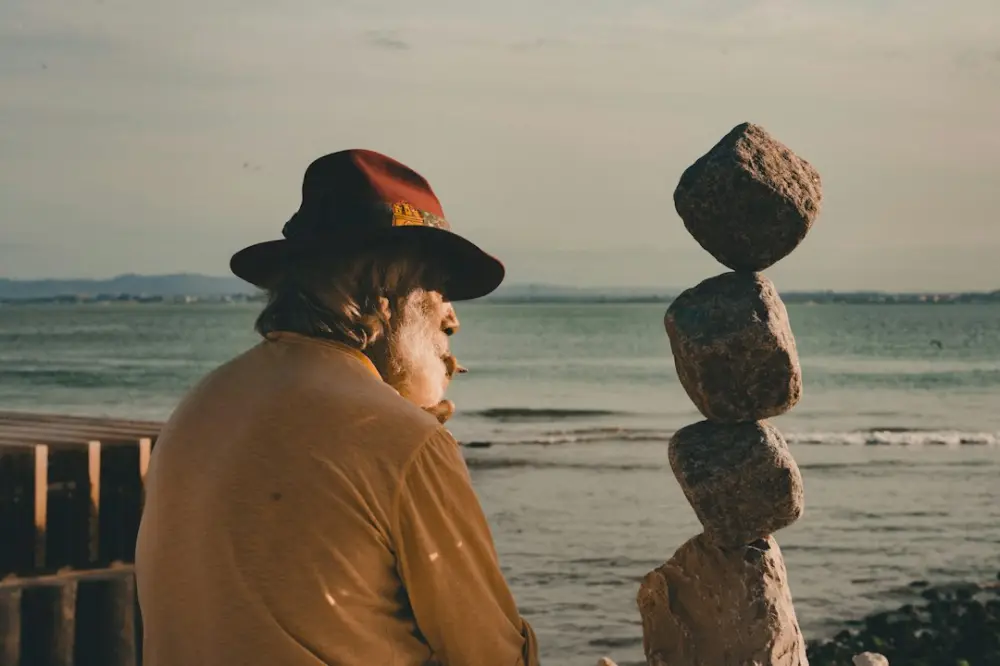
Balancing exploration with time to settle involves alternating active discovery of a region’s landmarks and culture with periods of stillness in a single location. It focuses on reducing transit fatigue by establishing a temporary home base, allowing for deeper community integration while maintaining the curiosity required to visit surrounding sites and engage with local life.
As we plan journeys for late 2026, the shift toward intentional pacing has become a necessity for those seeking more than a checklist of monuments. This approach prioritizes the quality of interactions over the quantity of zip codes visited, ensuring that the logistics of movement do not overshadow the experience of being present in a new environment.
What balancing exploration and settling means
In practice, this balance is the rejection of the "one-night-stand" travel style. Instead of moving to a new hotel every 48 hours, a traveler might book an apartment in a residential neighborhood for two weeks. This creates a psychological shift from being a transient observer to becoming a temporary resident. For example, staying in the Oltrarno district of Florence rather than a hotel near the train station allows you to find a favorite coffee shop, recognize the neighbor’s dog, and understand the rhythm of the morning market.
Exploration remains a vital component, but it is executed from a stable foundation. You might spend Monday through Wednesday grocery shopping, working, or reading in a local park, and then dedicate Thursday to a day trip to a nearby hilltop town. This method relies on itinerary design: building a logical flow that accounts for the physical and mental energy required to process new information.
Why this balance matters
The primary benefit of settling is the prevention of "traveler’s burnout." When every day involves navigating new transit systems, checking into different accommodations, and finding new places to eat, the brain stays in a state of high-alert survival mode. By settling, you allow your nervous system to regulate. This stability provides the mental clarity needed to actually appreciate the sites you do choose to explore.
Furthermore, settling facilitates genuine cultural discovery. Most meaningful interactions with locals don't happen at the ticket counter of a museum; they happen on the third or fourth time you visit the same bakery. This repetition builds trust and opens doors to conversations that a hurried tourist would never experience. In 2026, as over-tourism continues to impact major hubs, moving slowly helps distribute economic benefits to local businesses that rely on repeat customers rather than high-volume foot traffic.
How to structure a balanced itinerary
Creating a rhythm that supports both movement and stillness requires a structured approach to your calendar. Here is a practical framework for organizing a month-long trip:
- Select an anchor city: Choose a location with strong regional transport links. For instance, instead of touring all of Andalusia, choose Seville as your base.
- The 3-to-1 ratio: For every three days spent "settled" (staying within a 2-mile radius of your accommodation), schedule one day of active exploration or travel to a new site.
- Establish a routine: Within the first 48 hours, identify your "local" spots—a grocery store, a pharmacy, and a cafe. Use these daily to build a sense of familiarity.
- Limit transit days: Aim for no more than one major relocation per week. This reduces the time spent packing, unpacking, and navigating stations.
- Audit your energy: If you find yourself scrolling through your phone in a world-class museum, it is a sign you haven't spent enough time settling. Return to your base and do nothing for a full day.
A concrete example of this in action would be a stay in Kyoto. Rather than rushing to see thirty temples in three days, you might spend the first week exploring the philosopher’s path and local craft shops near your rental. By the second week, you have the energy to take the train to Nara or Osaka, returning to the comfort of your known neighborhood by evening.
Common misconceptions about slow pacing
A frequent misunderstanding is that settling is synonymous with being bored or "wasting" a trip. Critics often argue that if you have flown halfway across the world, you should see as much as possible. However, seeing everything often results in remembering nothing. Settling is an active choice to prioritize depth. You aren't doing less; you are experiencing more of what a single place has to offer.
Another misconception is that slow travel is only for those with unlimited time or money. In reality, staying in one place is often significantly cheaper than constant movement. You save on last-minute transport costs, can cook your own meals, and often benefit from weekly or monthly discounts on rentals. Even a one-week trip can be balanced by choosing one neighborhood and refusing to leave the city limits, proving that living everywhere actually changes our understanding of what it means to truly visit a place.
Key terms for managing travel rhythm
To better plan your 2026 travels, it helps to use specific terminology when discussing pacing with travel partners or organizers:
- Hub-and-Spoke: A model where you stay in one central location (the hub) and take day trips (the spokes) to surrounding areas, returning to the same bed each night.
- Travel Fatigue: The physical and mental exhaustion caused by frequent changes in environment and the constant need to make logistical decisions.
- Hyper-localism: The practice of focusing exploration on the immediate square mile surrounding your accommodation to understand the micro-culture of a neighborhood.
- Buffer Days: Purposely unscheduled days intended for rest, laundry, or spontaneous local invitations that arise during your stay.
Practical steps for your next journey
When you begin planning your next trip, start by looking at a map and drawing a circle with a thirty-mile radius around your primary destination. Research the small towns, parks, and community events within that circle rather than looking for the next major city. This shift in focus is what transforms a standard vacation into a period of discovery. By committing to a single zip code for a longer duration, you allow the layers of a culture to reveal themselves at a natural pace.
At Beyond Guide, we believe that the most profound travel experiences are those that allow you to feel the pulse of a place. Balancing exploration with time to settle is the most effective way to transition from a spectator to a participant. Whether you are tracing your heritage in a rural village or exploring the food markets of a metropolis, giving yourself the grace to settle ensures that the memories you bring home are grounded in real connection rather than a blurred sequence of transit hubs.