
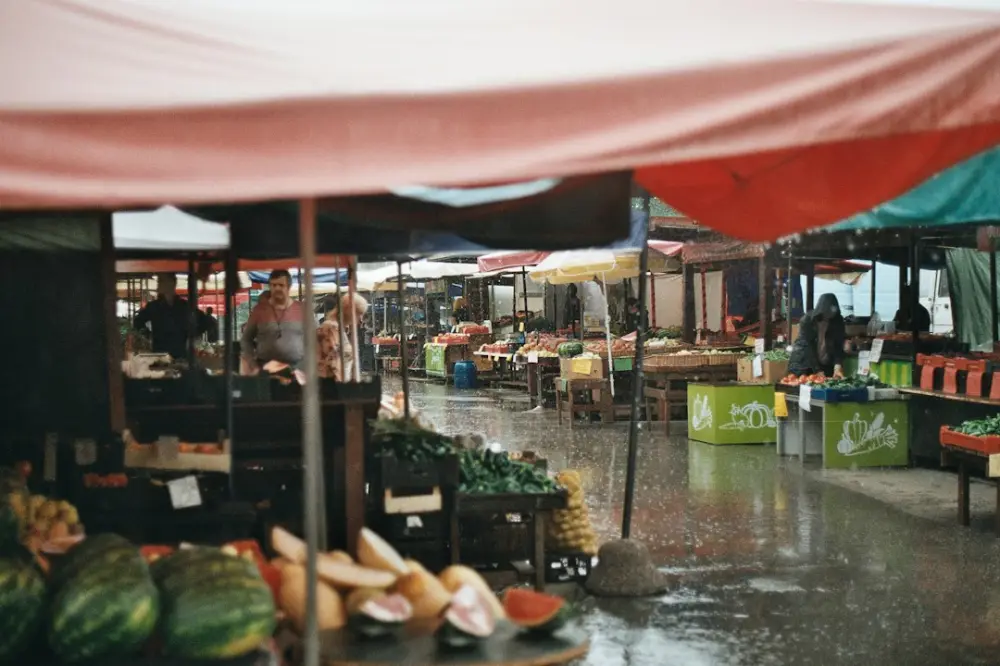
Respectful encounters with local communities involve engaging with residents in a way that prioritizes their dignity, traditions, and well-being. In 2026, this means researching cultural norms beforehand, minimizing environmental footprints, and supporting local businesses directly. It shifts the focus from being a passive observer to becoming a responsible guest who fosters mutual understanding and positive social impact.
When you arrive in a new neighborhood or village, your presence inevitably changes the space. Acting as a guest rather than a consumer means observing local rhythms before jumping in. Small adjustments—like learning basic greetings or choosing a family-run guesthouse over a chain—ensure your visit leaves a positive mark on the people hosting you.
A respectful encounter is defined by reciprocity. It is not merely about what you can extract from a destination in terms of photos or stories, but what you contribute through your presence. For example, in a Balinese village, showing respect might mean wearing a traditional sarong when entering a temple area, even if you are not participating in a ceremony. This simple act acknowledges the sacredness of the space and validates the community’s values. It signals that you recognize you are in someone else's home, rather than a theme park designed for entertainment.
How to Research Cultural Norms Before Traveling
Preparation is the foundation of respect. Entering a community without understanding its basic social codes can lead to accidental offense, even with the best intentions. To ensure you are properly prepared for your next trip, follow these practical steps:
- Consult Local-Led Resources: Look for blogs, podcasts, or social media accounts run by residents of the region. They often highlight nuances that generic guidebooks miss, such as specific dress codes for different neighborhoods.
- Study Basic Etiquette: Review a complete guide to cultural etiquette to understand common pitfalls. Pay attention to rules regarding physical contact, table manners, and religious observances.
- Learn Key Phrases: Memorizing "hello," "please," "thank you," and "is it okay if I...?" in the local language goes a long way. It shows effort and humility.
- Understand Non-Verbal Cues: In some cultures, direct eye contact is a sign of honesty; in others, it is considered aggressive. Researching these subtle differences helps prevent misunderstandings.
Consider the case of traveling through rural Japan. While you might be used to tipping for good service in your home country, doing so in Japan can be seen as confusing or even insulting. Understanding this norm before you sit down for a meal prevents an awkward social exchange and shows that you have taken the time to learn their ways.
Practical Ways to Honor Traditions and Environments
Honoring a community requires a commitment to protecting both its tangible and intangible heritage. This includes the physical environment—the land, water, and air that sustain the community—and the traditions that define their identity. When visiting sensitive ecological areas, such as the high-altitude villages in the Andes or the coastal towns of the Mediterranean, your environmental footprint is directly tied to the community's survival.
Waste management is a significant concern in many traditional communities that may not have the infrastructure to process large amounts of plastic or non-biodegradable trash. Bringing a reusable water bottle and refusing single-use plastics is a practical way to show respect. In the Swiss Alps, staying on marked trails is not just for your safety; it protects fragile alpine flora that the local community has worked for generations to preserve.
Respecting traditions also means being mindful of when and where you take photographs. Sacred ceremonies, private family gatherings, or even daily chores are often deeply personal. Always ask for permission before pointing a lens at someone. If the answer is no, accept it gracefully. Often, the most profound memories are the ones that aren't captured on a screen but are felt through direct interaction.
Supporting the Community Through Ethical Spending
How you spend your money is one of the most powerful tools you have as a traveler. Ethical spending ensures that the economic benefits of your visit stay within the community rather than leaking out to multinational corporations. This is a core tenet of experiencing local culture through food, customs, and commerce.
Seek out locally owned businesses for your basic needs. Instead of eating at a global fast-food chain, find a comedor or a small bistro where the ingredients are sourced from nearby farmers. This supports the local agricultural chain and provides you with a more authentic taste of the region. For example, buying a hand-woven rug directly from a cooperative in Morocco ensures the weaver receives a fair wage, whereas buying the same item in a high-end tourist shop often means the majority of the profit stays with the middleman.
Be wary of "poverty tourism" or experiences that exploit local hardships for entertainment. Choose tours and activities that are community-led and provide educational value. If a tour feels like you are looking at people through a glass wall, it likely isn't a respectful encounter. Look for initiatives that empower residents to tell their own stories and manage their own resources.
Engaging Authentically Without Intruding
The goal of slow travel is to find a balance between being an observer and a participant. Authentic engagement happens when you stop trying to "see everything" and start trying to "understand something." This requires patience and a willingness to be uncomfortable. You might find yourself in a situation where you don't know the rules; in those moments, the most respectful thing to do is to observe and ask questions politely.
Consider the difference between a crowded tour bus stopping for ten minutes at a village square and a solo traveler sitting at a local café for two hours. The latter has the opportunity to observe the natural flow of life—the way neighbors greet each other, the pace of the afternoon, and the small details that make a place unique. By slowing down, you become a less intrusive presence. You move from being a "tourist" to being a "visitor."
Authenticity cannot be forced or purchased. It is earned through consistent, quiet presence and a genuine interest in the people you meet. If you are invited into someone's home or offered a seat at a communal table, treat it as the privilege it is. These moments of connection are the true rewards of travel, but they are only possible if you approach them with an open mind and a respectful heart.
Explore More Travel Tips in Our Recent Posts
Building a habit of respectful travel takes time and practice. It involves a constant process of unlearning old habits and adopting new ones that prioritize the local perspective. In our recent updates, we have looked at how to navigate the complexities of 2026 travel, from the rise of digital nomad visas to the increasing importance of carbon-neutral transport options. Each of these topics ties back to the central idea that our choices as travelers have real-world consequences.
Whether you are planning a month-long residency in a small European town or a weekend hiking trip in your own region, the principles of respect remain the same. We encourage you to look at our guides on choosing sustainable accommodations and how to find hidden culinary gems that aren't listed on mainstream review sites. These resources are designed to help you move through the world with more intention and less impact.
Continue Your Journey With Our Post Navigation
At Beyond Guide, we believe that travel is a transformative tool for cultural discovery, but only when practiced with care. Respectful encounters are the bridge between being a stranger and being a friend of a community. By focusing on slow living and local heritage, we can ensure that the places we love remain vibrant and authentic for years to come.
As you continue to explore the world in 2026, let these principles guide your interactions. Use our navigation tools to find more specific advice on regional customs, ethical spending, and the philosophy of slow travel. Beyond Guide is committed to providing practical, grounded advice for those who want to see the world differently—not as a series of sights to be checked off a list, but as a collection of stories to be honored and respected.