
Articles in this Local experiences guide
In the evolving landscape of 2026, the definition of a successful journey has shifted. We are no longer in an era where travel is measured by the number of stamps in a passport or the saturation of a social media feed. Instead, the modern traveler seeks something more profound: a genuine connection to the places they visit. This transition from a traditional tourist to a mindful explorer requires a fundamental change in perspective. It involves moving beyond the surface-level attractions and diving into the rich, complex tapestry of local life. This guide serves as a roadmap for those ready to embrace local experiences, offering insights into cultural nuances, culinary depths, and the hidden corners of the globe that remain untouched by mass commercialization.
The Art of Slow Travel: Immersing Yourself in Local Life
Slow travel is not merely about the speed at which one moves; it is a mindset that prioritizes quality of experience over quantity of sights. In 2026, as the world becomes increasingly interconnected, the ability to slow down and observe has become a rare and valuable skill. When we rush from one landmark to the next, we often miss the very essence of the destination—the rhythm of the morning market, the quiet interactions in a neighborhood park, or the subtle shift in atmosphere as day turns to night.
The Philosophy of Presence
To truly immerse yourself in local life, you must be willing to let go of the rigid itinerary. While planning is necessary for logistics, leaving room for spontaneity allows for the most memorable local experiences. This might mean choosing to stay in a residential neighborhood rather than a tourist district, or opting for a local bus instead of a private transfer. By placing yourself in the everyday environments of the locals, you begin to see the world through their eyes. You notice the small details: the way coffee is served, the specific gestures used in conversation, and the communal values that bind a neighborhood together.
Practical Steps for Slowing Down
- Stay Longer: Instead of visiting three cities in a week, spend the entire week in one. This allows you to become a "regular" at a local café or bakery, fostering a sense of belonging.
- Walk Everywhere: Walking is the best way to discover the hidden details of a city. It allows you to stumble upon artisan workshops, local street art, and small eateries that aren't on any map.
- Learn the Language: Even a few basic phrases can open doors. Effort shows respect and a desire to connect on a deeper level than a transactional one.
Navigating New Cultures: The Essentials of Global Etiquette
One of the most significant barriers to authentic local experiences is a lack of cultural awareness. Traveling abroad is more than just exploring new places—it’s about connecting with people and respecting their traditions. What seems normal in one country can be inappropriate or even offensive in another. To navigate these complexities, travelers must consult a complete guide to cultural etiquette to ensure their presence is a positive one.
Understanding Social Norms
Cultural etiquette is the set of customs, behaviors, and social norms that define how people interact within a particular culture. These norms are often unspoken but are deeply ingrained in the social fabric. For instance, in many parts of Asia, the concept of "saving face" is paramount, meaning public confrontations or criticisms are avoided at all costs. In contrast, some European cultures value directness and may view indirect communication as untrustworthy. Recognizing these differences is the first step toward building meaningful relationships with the people you meet.
Key Areas of Etiquette Focus
When entering a new cultural context, pay close attention to the following areas:
- Greetings: The way people say hello sets the tone for the entire interaction. Whether it's a bow in Japan, a firm handshake in the U.S., or cheek kisses in France, getting the greeting right shows you’ve done your homework.
- Dress Codes: Respecting local dress codes is particularly important when visiting religious sites or conservative regions. Modest clothing is often a sign of respect for the local community's values.
- Gift Giving: In many cultures, the act of giving a gift is steeped in ritual. The choice of gift, the way it is wrapped, and even the hand used to present it can carry significant meaning.
The Culinary Connection: Discovering the Heart of a Place Through Food
Food is perhaps the most accessible and profound way to experience a new culture. It is a universal language that transcends barriers, yet it is deeply rooted in the specific geography and history of a region. There is a growing realization among modern travelers that local food is actually changing the way we perceive our surroundings, shifting us from spectators to participants in a culture's most intimate rituals.
The Silent Dialogue of Ingredients
Every dish tells a story. When you sit down to a meal, you are engaging in a silent dialogue with the history of the land. A plate of Caribbean jerk chicken is not just a meal; it is a narrative of migration, resilience, and the adaptation of local spices. Similarly, a bowl of Vietnamese pho reflects a history of French influence blended with indigenous flavors. By seeking out these authentic tastes, you are reading a historical document written in spice, grain, and fat.
Finding Authenticity in the Kitchen
To find the true heart of a place’s cuisine, you must look beyond the restaurants with English menus and "tourist-friendly" signage. The most authentic local experiences often happen in humble settings: a steaming bowl of laksa in a Singaporean hawker center, or a shared plate of local cheese on a hillside in the Pyrenees. These moments of culinary discovery recalibrate our understanding of the human experience, reminding us that despite our differences, the act of breaking bread is a radical act of connection.
Off the Beaten Path: Finding Authenticity in Underrated Destinations
As popular landmarks become increasingly crowded, the search for authenticity often leads travelers to the world's hidden gems. These are the places that haven't yet been diluted by mass tourism, where the local culture remains vibrant and accessible. Exploring the top 10 underrated travel destinations you should consider for your next trip can provide a much-needed escape from the well-trodden tourist trails.
Why Underrated Destinations Matter
Underrated destinations offer a unique opportunity for discovery. In these places, the interactions are more genuine because the local economy isn't solely dependent on tourism. You are treated as a guest rather than a customer. For example, in 2026, cities like Tbilisi, Georgia, or Mostar, Bosnia and Herzegovina, offer a blend of history, resilience, and hospitality that is hard to find in more famous capitals. These locations allow for a more reflective style of travel, where you can engage with the local community without the noise of thousands of other tourists.
Examples of Hidden Gems
- Luang Prabang, Laos: A serene blend of French colonial architecture and Buddhist traditions. Participating in the morning alms-giving ceremony offers a spiritual insight that is both humbling and beautiful.
- Salento, Colombia: Nestled in the heart of the coffee region, Salento provides a vibrant look into Colombian rural life, far from the bustling streets of Bogota.
- Ghent, Belgium: While many flock to Bruges, Ghent offers a more authentic medieval atmosphere with a thriving local art scene and fewer crowds.
Building Meaningful Connections with Local Communities
The ultimate goal of seeking out local experiences is to build connections that last longer than the trip itself. This requires a high degree of empathy and a willingness to listen. In 2026, the ethical traveler is one who considers their impact on the community and strives to leave a positive footprint. This involves supporting local businesses, respecting privacy, and engaging in dialogue rather than just observation.
The Ethics of Engagement
Building connections should always be rooted in mutual respect. This means asking for permission before taking photographs of people, being mindful of local environmental challenges, and ensuring that your money stays within the local economy. When we choose to buy from a local artisan rather than a souvenir shop, or eat at a family-run tavern, we are directly contributing to the preservation of the culture we have come to admire.
The Power of Shared Experiences
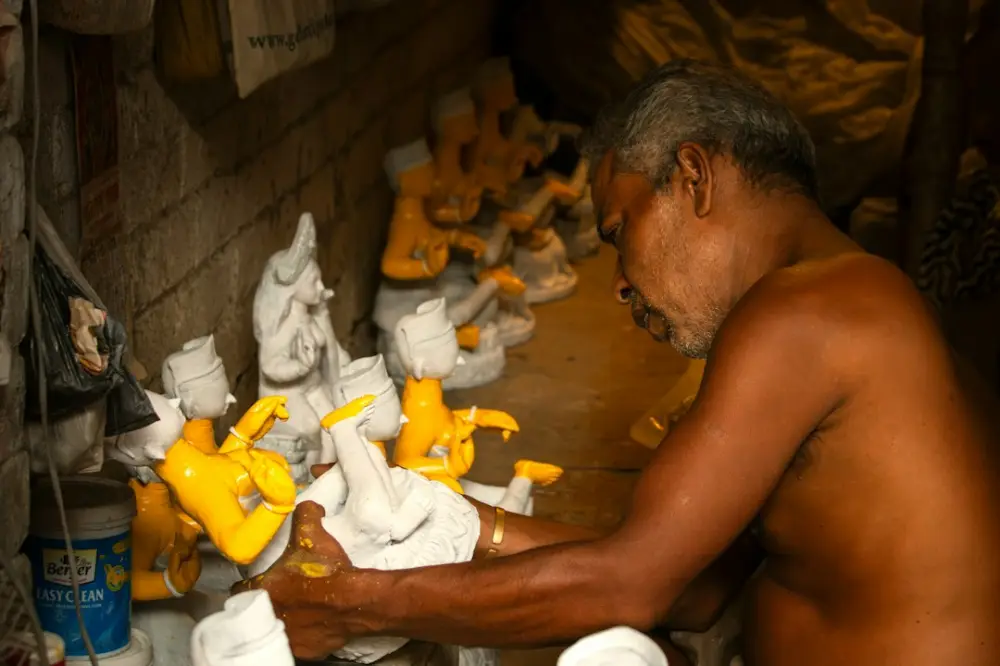
Some of the most powerful connections are formed through shared activities. Whether it’s joining a local craft workshop, participating in a community festival, or simply striking up a conversation with a shopkeeper, these interactions humanize the travel experience. They turn "the locals" from a generic category into individuals with stories, hopes, and perspectives that may challenge your own. This is where the true transformation happens—when you realize that the world is much smaller, and more similar, than you previously thought.
Deepening Your Journey with Beyond Guide
At Beyond Guide, we believe that travel should be a transformative experience that enriches both the traveler and the host community. Our mission is to provide the tools and insights necessary to transition from a spectator to a participant. In 2026, as we face new global challenges and opportunities, the need for mindful, respectful, and deep travel has never been greater. We are committed to helping you find those fleeting moments of connection—the ones that happen over a shared meal or a quiet conversation—that fundamentally change the way you see the world.
By prioritizing local experiences and cultural discovery, you aren't just taking a vacation; you are embarking on a journey of self-discovery and global citizenship. We invite you to explore our resources, learn the nuances of global etiquette, and venture into the underrated corners of our planet with an open heart and a curious mind.
Further Reading and Resources
To continue your journey toward becoming a more mindful and locally-engaged traveler, please explore the following detailed guides from our collection:
- a complete guide to cultural etiquette: Master the social norms and customs that will help you build positive relationships worldwide.
- local food is actually changing the: Discover the introspective power of cuisine and how it redefines the travel experience.
- top 10 underrated travel destinations you: Find your next adventure in the hidden gems that offer authentic, uncrowded experiences.