
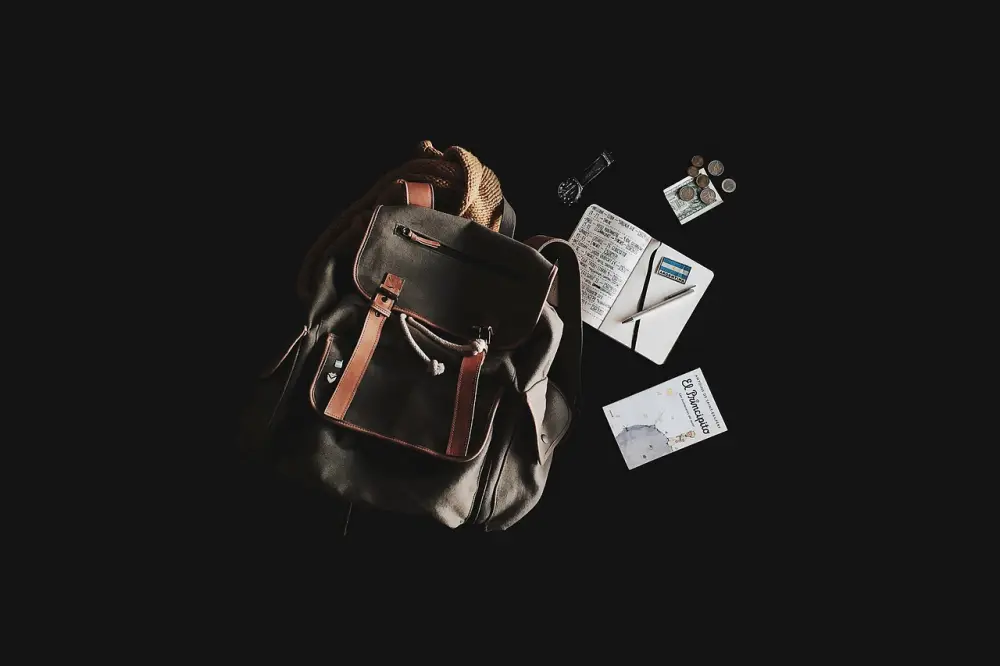
Multi-week slow travel packing focuses on versatility and sustainability rather than volume. Unlike traditional vacation packing, it prioritizes a modular wardrobe, essential laundry supplies, and multi-functional gear. The goal is to live comfortably in a new location for weeks or months using a streamlined kit that accommodates various activities while minimizing physical bulk.
Shifting the focus from a standard vacation to living elsewhere means your bag should reflect daily life. If you are staying in a specific neighborhood for three weeks, you need items suited for grocery runs, rainy afternoons in a local library, and occasional transit. It is about preparing for a routine rather than a series of one-off photo opportunities.
Slow travel packing is the art of selecting items that facilitate a deeper connection with a single location. It moves away from the "one outfit per day" mentality and toward a capsule system where every item works with at least three others. For instance, a pair of durable trousers should be comfortable enough for a flight, professional enough for a co-working space in Berlin, and rugged enough for a walk in a local park.
The emphasis is on quality over quantity. Because you will be wearing the same items repeatedly over several weeks or months, fabrics like merino wool or high-grade linen are preferred for their odor resistance and durability. The objective is to reduce the cognitive load of choosing what to wear so you can focus on balancing exploration with time to settle in your temporary home.
The 5-4-3-2-1 Method for Multi-Week Trips
The 5-4-3-2-1 method is a framework designed to prevent overpacking while ensuring you have enough variety for 21 days or more. The standard breakdown includes five tops (varying in sleeve length and warmth), four bottoms (including one pair for exercise or lounging), three pairs of shoes (walking shoes, sandals or dress shoes, and flip-flops for shared spaces), two bags (your main luggage and a daypack), and one accessory like a scarf or hat.
This method forces you to consider itinerary design: building a logical flow for your wardrobe. For a traveler spending a month in the Andean highlands in late 2026, this might look like three base layers, two sweaters, two pairs of hiking trousers, one pair of jeans, and one pair of shorts for indoor use. By limiting the number of items, you ensure that your luggage remains manageable when navigating public transit or steep stairs in older European apartment buildings.
Essential Gear for Long-Term Stays
When staying in one place for several weeks, specific tools become more important than extra clothing. A universal power adapter with multiple USB ports is essential for keeping devices charged without cluttering a small studio apartment. Similarly, a portable, fast-drying towel is useful not just for the beach, but as a backup for rentals where linens might be sparse or slow to dry.
Consider the "living" aspect of your trip. A small, collapsible silicone pour-over coffee dripper or a high-quality tea infuser can make a temporary rental feel like home immediately. If your stay involves remote work, a lightweight laptop stand and a dedicated mouse can prevent the ergonomic strain of working from dining tables or sofas. These items take up little space but significantly improve the quality of daily life during an extended stay in a city like Lisbon or Taipei.
Why Laundry Strategy Replaces Overpacking
The secret to traveling for six weeks with a carry-on is acknowledging that you will do laundry. In slow travel, laundry is not an inconvenience but a window into local life. Visiting a neighborhood "lavandería" in Mexico City or a coin-operated laundry in Tokyo provides a chance to observe local rhythms and interact with residents in a non-tourist setting.
To facilitate this, pack a small kit containing a sink stopper, a braided elastic clothesline, and a handful of concentrated laundry detergent sheets. These sheets are lighter than liquids and won't leak in your bag. By planning to wash a small load every five to seven days, you can effectively travel indefinitely with only a week’s worth of clothing. This approach reduces physical strain on your back and makes it easier to change locations if you decide to move to a nearby town on a whim.
Managing Toiletries and Tech for Extended Travel
Toiletries for multi-week trips should focus on solids to save space and avoid security liquid limits. Solid shampoo bars, conditioner, and toothpaste tabs are increasingly effective and eliminate the risk of a spill inside your luggage. For items you cannot find in solid form, such as specific skin care serums or prescription medications, ensure you have enough for the duration of the trip plus one extra week of buffer.
On the tech side, cable management is the priority. Use a dedicated tech pouch to store charging cables, a power bank, and any necessary dongles. For those documenting their journey, an external SSD is often safer and faster for backing up photos than relying solely on cloud storage in areas with spotty Wi-Fi. According to Wikipedia, managing digital infrastructure is a core skill for those living and working remotely for long periods, and your packing list should reflect that reality.
First steps for your slow-travel packing list
Start with one week of outfits before you buy new gear.
- First step: lay out five tops and four bottoms and check every combination mixes.
- Start by packing three pairs of shoes maximum and wear the bulkiest pair on travel day.
- To begin, add a laundry kit and plan to wash every five to seven days on the road.
- Follow these steps to note what you actually wore after week one and cut duplicates.
- Next step: photograph the kit so you can repack the same capsule for the next city.
Beyond the Suitcase: Mindful Packing for Slow Living
Slow travel is as much a mental state as a physical one. Packing a few "non-essential" items that facilitate cultural discovery can be more valuable than a fifth pair of socks. This might include a small physical notebook for sketching or journaling, a deck of cards to share with new friends at a hostel or guesthouse, or a lightweight reusable shopping bag for frequenting local farmers' markets.
The goal is to pack for the person you want to be in that destination—someone who is present, prepared, and unburdened by excessive belongings. By focusing on a modular, laundry-heavy, and tech-smart kit, you free yourself to engage deeply with the heritage and food of your chosen destination without the logistical weight of a heavy suitcase. At Beyond Guide, we believe that the less you carry, the more room you have for the experiences that define slow travel and local cultural discovery.