
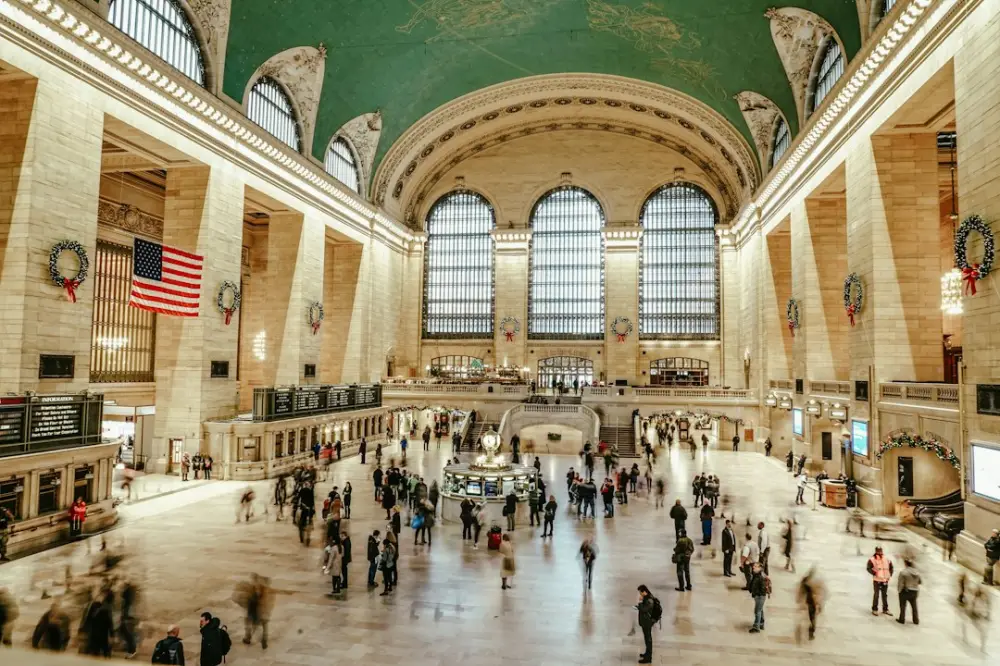
A two-night minimum stay in transit hubs is a regulatory or strategic requirement for short-term rentals located near major transportation centers. These rules, often implemented by cities like Chicago or through state-level legislation in 2026, aim to balance neighborhood stability with the high turnover typically seen in traveler-heavy areas near airports and train stations.
For the traveler, these mandates transform a frantic layover into a deliberate pause. Rather than treating a city as a mere waypoint, a two-night stay encourages a deeper engagement with the local neighborhood. This shift supports a more sustainable pace, ensuring that even a brief stop contributes to the local economy and reduces the logistical strain of one-night turnarounds.
The primary driver behind these regulations is the mitigation of "churn." In areas like the West Loop in Chicago or the neighborhoods surrounding Hartsfield-Jackson in Atlanta, high turnover can lead to increased noise, security concerns, and a lack of community cohesion. By enforcing a two-night minimum, municipalities ensure that visitors are more likely to respect the property and the surrounding residents. For example, a host near a major rail terminal might find that two-night guests are less likely to host "party" events than those booking a single night for a quick celebration before a flight.
Implementing these stays also aids in itinerary design: building a logical flow. When a traveler knows they must stay for forty-eight hours, they are more inclined to book a local food tour or visit a neighborhood museum that they would otherwise skip. This regulatory environment effectively forces a slower pace, which often results in a more memorable and less stressful travel experience.
Michigan and West Virginia STR Laws
As of 2026, state-level protections have become a significant factor in how transit-adjacent rentals operate. In Michigan, recent legislative moves have sought to prevent local municipalities from banning short-term rentals (STRs) outright, while still allowing them to set reasonable operational standards. This includes the ability to mandate minimum stays in high-density areas. A property owner in a transit-heavy city like Grand Rapids must now navigate both state protections and local zoning that might require a two-night stay to prevent the "hotelization" of residential blocks.
West Virginia has taken a similar approach with the Home Sharing Protection Act. This legislation protects the right of homeowners to list their properties on platforms like Airbnb or VRBO but grants cities the power to regulate stays in specific "transit corridors." For instance, in towns serving as hubs for regional bus or rail lines, the state allows for ordinances that prioritize longer stays. This ensures that the housing stock remains available for residents while still welcoming the tourism revenue that transit hubs naturally attract.
These state laws often serve as a template for other regions. They provide a legal framework that balances the property rights of the owner with the quiet enjoyment of the neighbor. In practice, a host in Morgantown might use these state protections to defend their right to operate, while simultaneously adhering to a city-mandated two-night minimum that keeps their neighbors satisfied by reducing the frequency of late-night arrivals and early-morning departures.
Chicago’s Evolving Home-Sharing Rules
Chicago remains at the forefront of urban rental regulation, particularly in neighborhoods anchored by the L-train lines and major transit centers. The city utilizes a "Prohibited Buildings List," which allows residential buildings to opt out of short-term rentals entirely. However, in buildings where rentals are permitted, the city has increasingly leaned on minimum stay requirements to manage the flow of visitors near hubs like Union Station and the O'Hare corridor.
In 2026, the city’s Department of Business Affairs and Consumer Protection (BACP) updated its registration portal to flag units within a certain radius of major transit hubs. These units are often subject to stricter oversight. For example, a loft in the Fulton Market area—highly accessible via the Green and Pink lines—may be required to prove that it is not being used as a de facto hotel. The two-night minimum is the most common tool used to enforce this distinction.
Navigating these rules requires a clear understanding of the local precinct's stance. Some Chicago precincts have successfully petitioned for a total ban on new STR licenses, while others allow them but with strict duration limits. Travelers booking in these areas should be aware that a one-night stay might not even be an option on booking platforms, as the software now automatically blocks short-duration requests to remain compliant with city data-sharing mandates.
Buying or Listing Near Transit Hubs
Investors and homeowners looking to list a property near a transit hub must perform due diligence that goes beyond simple market rates. The proximity to a train station or airport is a double-edged sword: it guarantees high demand but also attracts the highest level of regulatory scrutiny. Before purchasing, it is essential to review the specific zoning maps and any active homeowner association (HOA) bylaws that might be more restrictive than city code.
Consider the impact of scheduling buffer days between long transit on your occupancy rates. If your property is located near a major international airport, your primary demographic may be travelers looking for a place to rest after a 12-hour flight. If a two-night minimum is in place, you must market your property as a "recovery hub" rather than a "crash pad." This might involve providing amenities like high-quality blackout curtains, noise-canceling machines, or a guide to local cafes that offer a quiet atmosphere for jet-lagged guests.
From a listing perspective, transparency is vital. Clearly stating the two-night minimum in the property description helps manage guest expectations and reduces the number of inquiries for one-night stays that you would have to decline. Using tools like a digital guidebook to highlight the benefits of a longer stay—such as a nearby historic district or a famous local market—can help convince a hesitant traveler that two nights are better than one.
Tracking Regulatory Changes in 2026
The landscape of short-term rental law is rarely static. Throughout 2026, several major cities have introduced pilot programs that test different minimum-stay durations. To stay informed, hosts and travelers should monitor municipal portals. Many cities now offer email alerts for changes in "home-sharing" or "transient occupancy" ordinances. For example, the City of Chicago official website provides regular updates on licensing requirements and prohibited zones.
Legislative sessions in the early months of 2026 have already seen a push for more centralized data tracking. This means that if a city passes a new two-night minimum, it is often reflected in the booking platform's algorithm within days. Relying on outdated blog posts or forum advice can lead to compliance issues or canceled bookings. Checking the official government sites for the specific county or city is the only way to ensure you are operating or traveling within the law.
Another resource is the local neighborhood association. These groups often have the most up-to-date information on pending petitions to change rental rules. In many cases, a neighborhood near a transit hub will signal its intent to push for longer minimum stays months before a formal ordinance is voted on by the city council.
Managing Properties in High-Traffic Hubs
Managing a property in a high-traffic area requires a different operational strategy than a rural retreat. The wear and tear are naturally higher, and the logistics of cleaning and turnover are more complex due to traffic and parking constraints. When a two-night minimum is enforced, the operational burden actually decreases. Instead of seven turnovers a week, you have a maximum of three or four, which allows for more thorough cleaning and maintenance.
Property management software (PMS) is an essential tool for managing these properties. Most modern systems allow you to set "stay requirements" based on the season or specific local events. If a major conference is coming to a transit-adjacent convention center, you might even increase the minimum stay to three nights to capitalize on the professional traveler demographic. This strategy not only increases revenue but also ensures that your guests are likely there for business, which typically means a quieter and more respectful stay.
The practical takeaway for those focused on cultural discovery is that the two-night minimum is a benefit, not a hurdle. It protects the integrity of local neighborhoods and prevents transit hubs from becoming transient zones with no soul. By embracing these rules, travelers find themselves with the time to actually see the place they are visiting. At Beyond Guide, we believe that travel is most rewarding when it moves away from the transactional and toward the experiential. Understanding these regulations is the first step in planning a trip that respects both the destination and the journey, ensuring that even the busiest transit hub becomes a meaningful part of your story.