
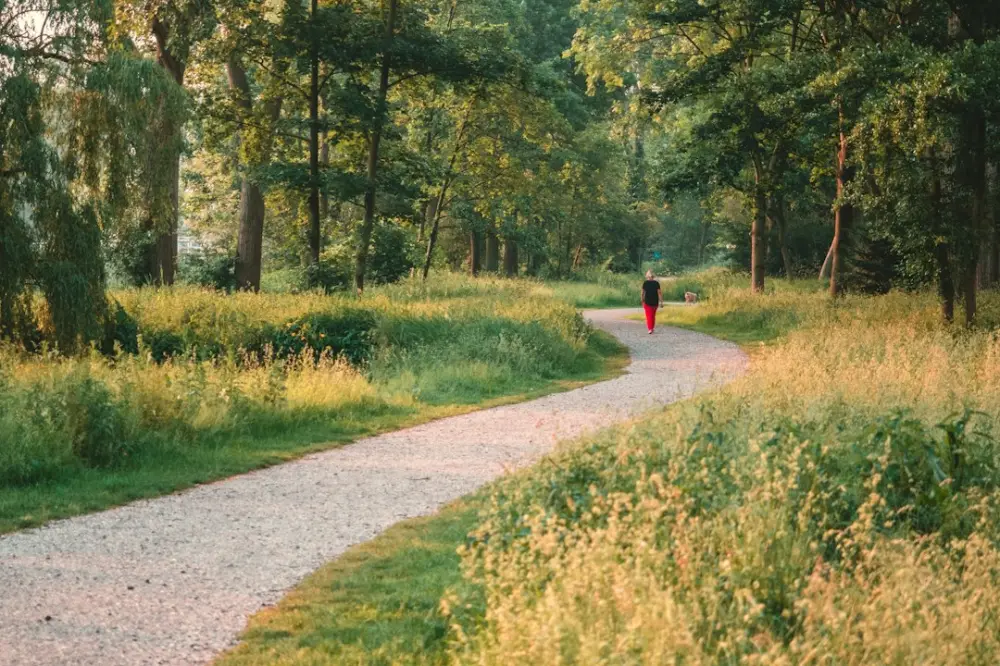
Walking routes that reveal daily rhythms are specific pedestrian paths through residential or mixed-use neighborhoods that align with the natural timing of local activities. These routes prioritize observing routine behaviors—like morning market runs, school commutes, or evening social gatherings—over visiting static landmarks, allowing travelers to understand the functional pulse of a community.
To identify these paths, you must look beyond the designated heritage zones and find the connective tissue between residential blocks and local infrastructure. In 2026, as urban centers become more digitized, these physical movements remain the most reliable indicators of a neighborhood's true character and social health.
Mapping and observing authentic neighborhood rhythms
Focusing on the rhythm of a place prevents the "museum-ification" of your travel experience. When you stick to high-traffic tourist corridors, you see a version of a city designed for consumption rather than habitation. By choosing routes that follow the flow of residents, you gain a practical understanding of how a city survives and thrives. This approach is essential for experiencing local culture through food, customs, and shared public spaces that haven't been sanitized for international visitors.
In cities like Tokyo or Berlin, the way people interact with their environment at 8:00 AM versus 8:00 PM tells a story of labor, leisure, and social hierarchy. Observing these shifts fosters a deeper empathy for the destination, moving the traveler from the role of a spectator to that of a witness to the local condition.
Mapping these routes requires a shift in itinerary design: building a logical flow based on utility rather than aesthetics. Start by identifying "anchor points" of daily life: a primary school, a neighborhood bakery, a transit hub, and a public park. A successful route connects these points using secondary streets rather than main arteries. Use digital mapping tools to look for clusters of businesses that serve residents—hardware stores, laundromats, and small-scale grocers—as these indicate a high density of local foot traffic.
A frequent mistake is equating "local daily life" with poverty or grit. Daily rhythms exist in affluent neighborhoods just as they do in working-class ones; the rhythm simply takes a different form. Some travelers also worry that walking through residential areas is intrusive. However, as long as you remain on public sidewalks and maintain a respectful, observant presence, you are simply participating in the public life of the city. The goal is not to eavesdrop on private moments but to appreciate the collective movement of the community.
Key terms for cultural discovery
- Third Place: A social environment separate from the two usual social environments of home ("first place") and the office ("second place").
- Flâneur: A term referring to a person who saunters through a city to observe society.
- Temporal Geography: The study of how people use time and space in their daily lives.
- Desire Paths: Unofficial paths created by foot traffic, revealing the most efficient routes residents take.
The Neapolitan Bassi Circuit, Naples
In the Spanish Quarters of Naples, daily life is lived largely at street level in bassi—small, one-room apartments that open directly onto the alleyway. A walking route here reveals a vertical and horizontal exchange of goods and greetings. Look for the panaro, a wicker basket lowered by rope from upper-floor balconies to collect bread or mail from street vendors. This route is best experienced between 9:00 AM and 11:00 AM when the morning chores are in full swing and the narrow streets are a cacophony of domestic activity and localized commerce.
Kyoto’s Kamogawa River Path, Japan
While the temples of Kyoto draw the crowds, the banks of the Kamo River provide the city's true rhythmic backbone. In the early morning, the path is dominated by elderly residents practicing Tai Chi and students cycling to the university. A particularly revealing stretch lies between the Demachiyanagi and Sanjo bridges. Here, you can observe the "stepping stone" crossings where locals navigate the river flow. Unlike the curated Zen gardens nearby, this is a living landscape where the seasonal changes dictate the pace of local exercise and social gatherings.
Lisbon’s Graça to Alfama Descent, Portugal
To see Lisbon beyond the yellow trams, walk the steep descents from the Graça neighborhood down into the heart of Alfama. Avoid the main viewpoints (miradouros) and follow the staircases that cut between apartment buildings. You will see the logistical reality of life in a vertical city: grocery deliveries made by hand-trucks and the pervasive culture of hanging laundry that serves as a neighborhood telegraph. This route highlights the social hubs of the elderly population, who often congregate on small landings to discuss the day's news away from the tourist-heavy Rua de São Tomé.
Hanoi’s Truc Bach Perimeter, Vietnam
The perimeter of Truc Bach Lake offers a more localized alternative to the chaotic Old Quarter. At 6:00 AM, the lakeside becomes a massive open-air gym. Walking this route reveals the specific social hierarchies of Vietnamese morning exercise, from badminton groups to rhythmic aerobics led by portable speakers. By 8:00 AM, the rhythm shifts to the cà phê stalls where workers grab a quick drink before heading to nearby government offices. This route provides a clear window into the communal health and social bonding that defines Hanoian life.
Mexico City’s Santa María la Ribera Loop, Mexico
Located just outside the typical Roma/Condesa circuit, Santa María la Ribera is one of Mexico City's oldest neighborhoods. A loop starting from the Kiosko Morisco reveals a traditional "barrio" rhythm. In the late afternoon, the square fills with music teachers, families, and street food vendors serving the local population rather than the "digital nomad" crowd. Walking the streets radiating from the kiosk allows you to see the vecindades (community housing) and the small, specialized workshops—from luthiers to bookbinders—that still anchor the local economy in 2026.
Practical strategies for grounding your travel in local life
To truly understand a destination, you must be willing to trade the spectacular for the mundane. By mapping your journeys around the functional movements of residents, you move past the surface-level attractions and begin to see the structural reality of a city. This method of exploration is central to the Beyond Guide philosophy, which prioritizes slow, intentional discovery over rapid sightseeing. Whether you are navigating the alleyways of Naples or the riverbanks of Kyoto, focusing on daily rhythms ensures that your travel experience is grounded in the authentic, evolving life of the local community.