
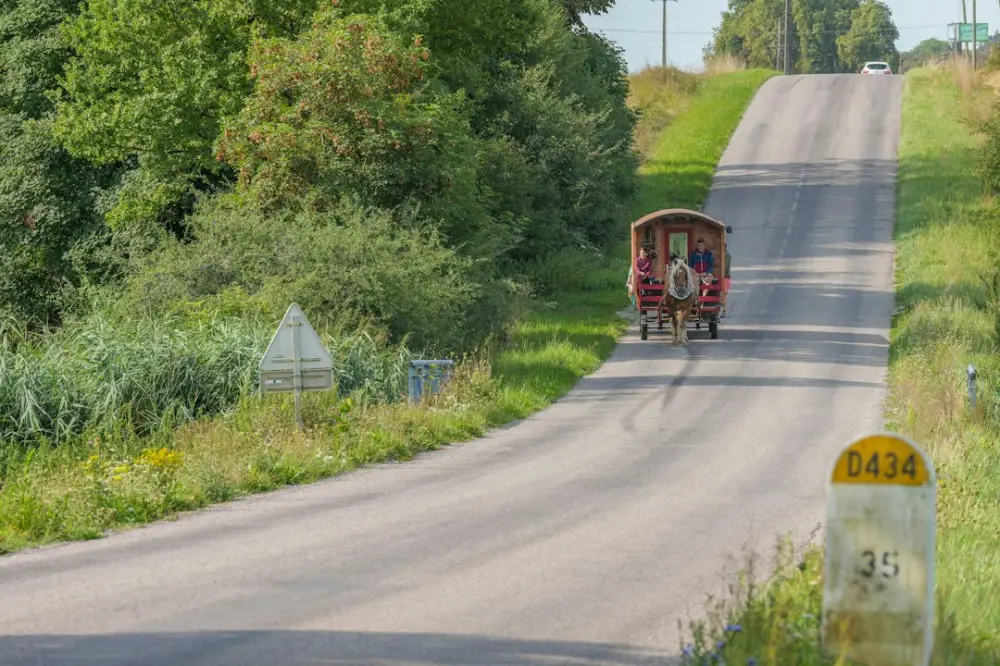
Balancing travel favorites with constant novelty involves strategically mixing familiar destinations that offer deep connection with unexplored locations that trigger curiosity. This approach satisfies the human need for routine while providing the neurological benefits of discovery. In 2026, travelers achieve this by alternating repeat visits with high-novelty adventures to maximize emotional fulfillment and personal growth.
The tension between the known and the unknown drives travel satisfaction. To manage this, use familiar hubs like Kyoto to reduce cognitive load before venturing into high-novelty cities like Almaty. This practical layering prevents the mental fatigue of constant navigation while ensuring your brain continues to build new cultural frameworks and maps, avoiding the stagnation of repetitive routines.
Consider the difference between staying at a known guesthouse in the Oaxaca Valley versus venturing into the remote mountains of the Sierra Norte. The former offers the comfort of a known breakfast spot and a predictable social rhythm. The latter demands higher energy but rewards the traveler with the specific thrill of the first-time encounter. Success in long-term travel relies on recognizing when your mental reserves require the ease of a favorite haunt and when they are ready for the challenge of a fresh map.
Identify Your Travel Style and Energy Needs
Before booking a multi-month trip, it is necessary to audit your current energy levels and psychological needs. Travel fatigue is a common byproduct of constant novelty; the brain eventually tires of processing new currency, new languages, and new street layouts. Identifying where you fall on the spectrum of "settler" versus "explorer" helps determine the ratio of repeat visits to new discoveries.
For example, a professional working remotely from a laptop may prioritize a familiar base in Mexico City to maintain productivity. Their energy is focused on work, meaning their travel needs should lean toward the familiar. A traveler on a dedicated sabbatical, however, may have the bandwidth to tackle high-novelty environments like the rural Silk Road. When balancing exploration with time to settle, you create a buffer against burnout. This allows you to engage with a new culture without the resentment that often follows over-stimulation.
How to Blend Favorite Spots with New Destinations
Creating a hybrid itinerary requires a structured approach to logistics. Rather than choosing between a favorite city and a new country, you can layer them to create a sense of progression. This method uses the familiar as a "recharge station" before or after a more demanding, high-novelty segment.
- The Anchor Method: Start your journey in a city you know well. Spend five days reconnecting with local friends and favorite markets to ground yourself.
- The Frontier Leap: From your anchor city, take a regional train or short flight to a destination you have never visited. Because you are already adjusted to the time zone and general region, the transition is less jarring.
- The Deep Dive: In the new location, focus on one specific cultural element—such as a regional cooking style or a local craft—to give your novelty-seeking brain a clear objective.
- The Return Loop: End the trip in a familiar hub. This allows for a period of reflection and decompression before returning home.
Effective itinerary design: building a logical flow ensures that you are not constantly in a state of high-alert navigation. Using a familiar city like Bangkok as a recurring base while exploring smaller, unknown provinces in Northern Thailand is a classic example of this balance in practice.
The Real Benefits of Pursuing Novelty and Curiosity
While favorites provide emotional stability, novelty is essential for cognitive health. Scientific research into neuroplasticity suggests that exposing the brain to new environments and complex problem-solving—like navigating a foreign subway system or learning a new script—strengthens neural pathways. This "cognitive reserve" is a significant benefit of slow travel that goes beyond simple relaxation.
In 2026, the value of curiosity is also social. Entering a new space with a beginner’s mind fosters a different kind of interaction with locals. When you are a regular at a cafe in Rome, the interaction is about deepening an existing bond. When you are a newcomer in a village in the Peloponnese, the interaction is about discovery and mutual education. Both are valuable, but the latter keeps the mind sharp and the spirit of adventure alive. Curiosity prevents travel from becoming a consumerist checklist and turns it back into a process of active learning.
Practical Tips for a Balanced 2026 Itinerary
As we look at travel planning for the remainder of 2026, practical constraints like visa regulations and seasonal shifts should dictate your balance. A well-constructed itinerary avoids the mistake of "novelty stacking," where every single day involves a new city or a new logistical challenge.
- Use the 70/30 Rule: Allocate 70% of your time to places or regions you have a baseline familiarity with, and 30% to total unknowns.
- Leverage Regional Hubs: If you love Istanbul, use it as a base to explore the Black Sea coast or the eastern borderlands. You get the comfort of the city you love at the start and end of the trip.
- Document the Differences: Keep a journal specifically for comparing your favorite spots with new ones. This helps you articulate exactly what it is about a "favorite" that brings you peace.
- Slow the Pace: Novelty requires more time to process. If a destination is brand new, double the length of your stay compared to a repeat visit.
For instance, if you are visiting the wine regions of France, you might spend a week in a familiar village in Provence but then head to the Jura for ten days of exploration. The Jura’s unique geology and specialized wine-making techniques provide the novelty, while the Provence portion provides the rest.
The Badass Learning Syllabus: Why Men Should Fight
A significant part of cultural discovery involves engaging with the physical traditions of a place. For many men traveling in 2026, this means moving beyond the role of a spectator and into the role of a student. Learning a traditional martial art—whether it is Muay Thai in Thailand, Brazilian Jiu-Jitsu, or even regional wrestling styles in Central Asia—is a profound way to bridge the gap between novelty and deep local integration.
Fighting, in a controlled and respectful sporting context, strips away the superficial layers of tourism. When you join a local gym, you are no longer a "visitor"; you are a practitioner. This provides a rigorous learning syllabus that demands discipline, humility, and physical presence. It offers a unique window into local masculine culture and social structures that are often invisible to the casual traveler. The "novelty" here isn't just the location, but the discovery of one's own physical limits and the respect earned through shared struggle.
Build Your Personal Growth and Travel Strategy
The ultimate goal of balancing repeat visits with new horizons is to create a sustainable lifestyle of exploration. By alternating the comfort of known environments with the sharp edges of the unknown, you ensure that travel remains a tool for personal development rather than just a series of vacations. This strategy allows for the slow building of a "global home"—a network of places where you feel at ease—while constantly pushing the boundaries of your comfort zone.
At Beyond Guide, we believe that travel is most transformative when it is intentional. Whether you are returning to a beloved street corner in Hanoi or stepping off a bus in a remote Andean village, the focus should remain on deep local connection and cultural discovery. By mastering the art of the balanced itinerary, you ensure that every journey in 2026 and beyond contributes to a richer, more nuanced understanding of the world and your place within it. Focus on the quality of the engagement, not the quantity of the stamps, and let your curiosity lead the way.