
The Great Travel Performance: Why Authenticity is Dying
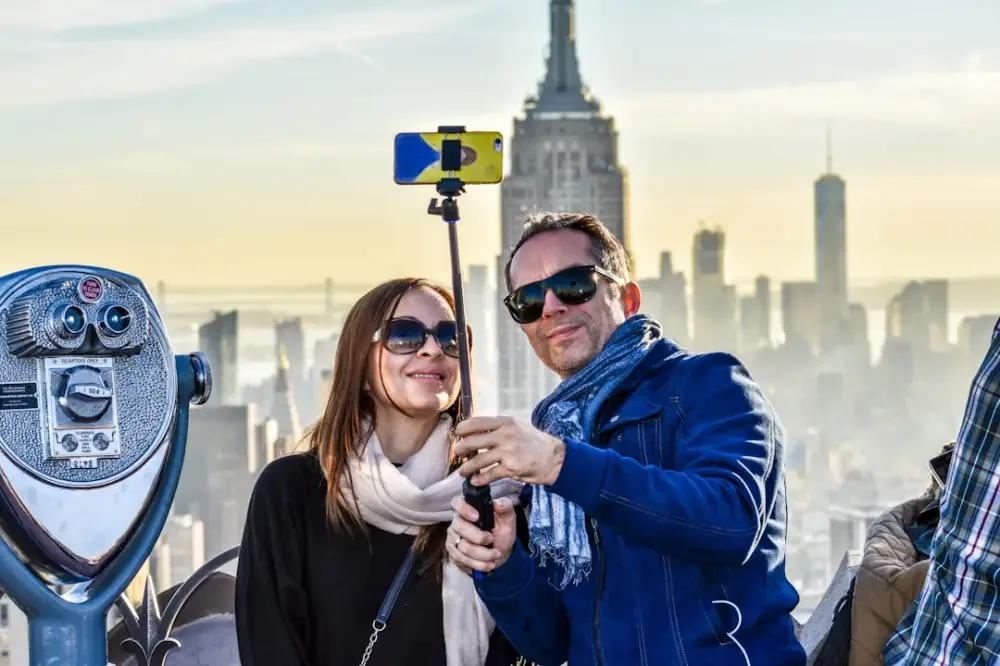
Travel has become a performance. In the age of social media and algorithmic curation, we have traded the grit of discovery for the polished sheen of the 'bucket list.' We don't go to places to experience them; we go to verify that they look exactly like the pictures we saw on Instagram. This obsession with the curated has birthed a global ecosystem of tourist traps—sanitized, overpriced, and ultimately hollow versions of culture designed to be consumed rather than understood.
If you want to find a local experience that actually resonates, you have to stop acting like a consumer and start acting like an explorer. This requires a shift in perspective. It means acknowledging that the 'top ten' lists are often the very thing standing between you and the heartbeat of a city. To find the real version of a place, you must be willing to embrace friction, inconvenience, and the occasional lack of a perfect photo opportunity.
The Algorithm is Your Enemy
The first step to finding authentic experiences is to realize that the internet is often lying to you. Most 'hidden gem' articles are written by people who spent forty-eight hours in a city and never left the historic center. These lists are SEO-optimized traps designed to capture search traffic, not to provide deep cultural insight. When a place is labeled as 'undiscovered' on a major travel platform, it is, by definition, already discovered and likely on its way to being ruined.
The Red Flag of the 'Perfect' Photo
In my view, the easiest way to spot a tourist trap is to look at the aesthetics. If a cafe has a dedicated 'selfie wall' or a menu that seems designed specifically for its visual appeal rather than its flavor, you are in a stage set, not a local haunt. Local culture is rarely that tidy. It is often messy, loud, and indifferent to whether or not you find it beautiful. Authenticity thrives in the places that aren't trying to sell themselves to you.
The Strategy of Intentional Inconvenience
Most travelers prioritize convenience above all else. They want the hotel near the main square, the restaurant with the English menu, and the tour that picks them up at the door. But convenience is the primary currency of the tourist trap. To find something real, you must lean into the inconvenient. I believe that the quality of an experience is often inversely proportional to how easy it was to find.
This doesn't mean putting yourself in danger; it means putting yourself in situations where you aren't the primary demographic. It means taking the bus to a residential neighborhood where the signs aren't translated. It means eating at a place where you have to point at what the person at the next table is eating because there is no translated menu. This friction is where real travel happens.
How to Break the Tourist Mold
Finding local experiences isn't a matter of luck; it’s a matter of strategy. You have to change the way you interact with a destination. Here are several ways to bypass the curated facade and find the actual life of a city:
- The Rule of Three Streets: Never eat or shop on a main thoroughfare or within two blocks of a major landmark. Walk at least three streets away in any direction. The prices will drop, the 'theatre' will disappear, and you’ll find the people who actually live there.
- Follow the Commuters, Not the Crowds: At 8:00 AM or 5:00 PM, watch where the locals are going. Where are they buying their coffee? Which small grocery store are they ducking into? These are the anchors of local life.
- Use Specific Interests as a Compass: Instead of looking for 'things to do,' look for your specific hobbies in a new context. If you like carpentry, find a local woodworker. If you like jazz, find the dive bar where the local students practice. Shared passion is a universal language that bypasses the tourist-host dynamic.
- Talk to Service Workers (Not Concierges): A hotel concierge is paid to send you to places that cater to tourists. Instead, talk to the person at the laundromat, the librarian, or the person running the local hardware store. Ask them where they go when they want to celebrate a birthday.
- Embrace the 'Boring' Neighborhoods: Every city has a 'cool' district that has been gentrified into a carbon copy of every other cool district in the world. Skip it. Go to the working-class residential areas. That is where you will find the soul of the culture, unburdened by the need to perform for outsiders.
The Value of Being an Outsider
There is a pervasive myth that to have an 'authentic' experience, you must 'blend in.' This is nonsense. You are a traveler; you will always be an outsider. The goal isn't to pretend you live there, but to respect the fact that others do. When you stop trying to 'conquer' a destination by checking off its most famous sites, you open yourself up to the possibility of genuine connection.
Authentic travel isn't about finding a place that no one else has ever seen. It’s about seeing a place through a lens that isn't provided by a brochure. It’s about the conversation with a shopkeeper that has nothing to do with a transaction. It’s about the realization that the world does not revolve around your itinerary. If you can accept that, you’ll find that the best experiences aren't the ones you planned, but the ones you were humble enough to let happen.
Final Thoughts on Meaningful Exploration
Ultimately, the difference between a tourist and a traveler is intent. A tourist seeks to be entertained; a traveler seeks to be changed. If you spend your entire trip within the safety of the tourist bubble, you might have a pleasant time, but you will return home with nothing but a few photos and a lighter wallet. If you want to go beyond the guide, you have to be willing to get lost, be misunderstood, and occasionally eat something you can't identify. That is the price of admission for the real world.